 Omakase Tokyo Tour
Tipping in Tokyo: The Short Answer
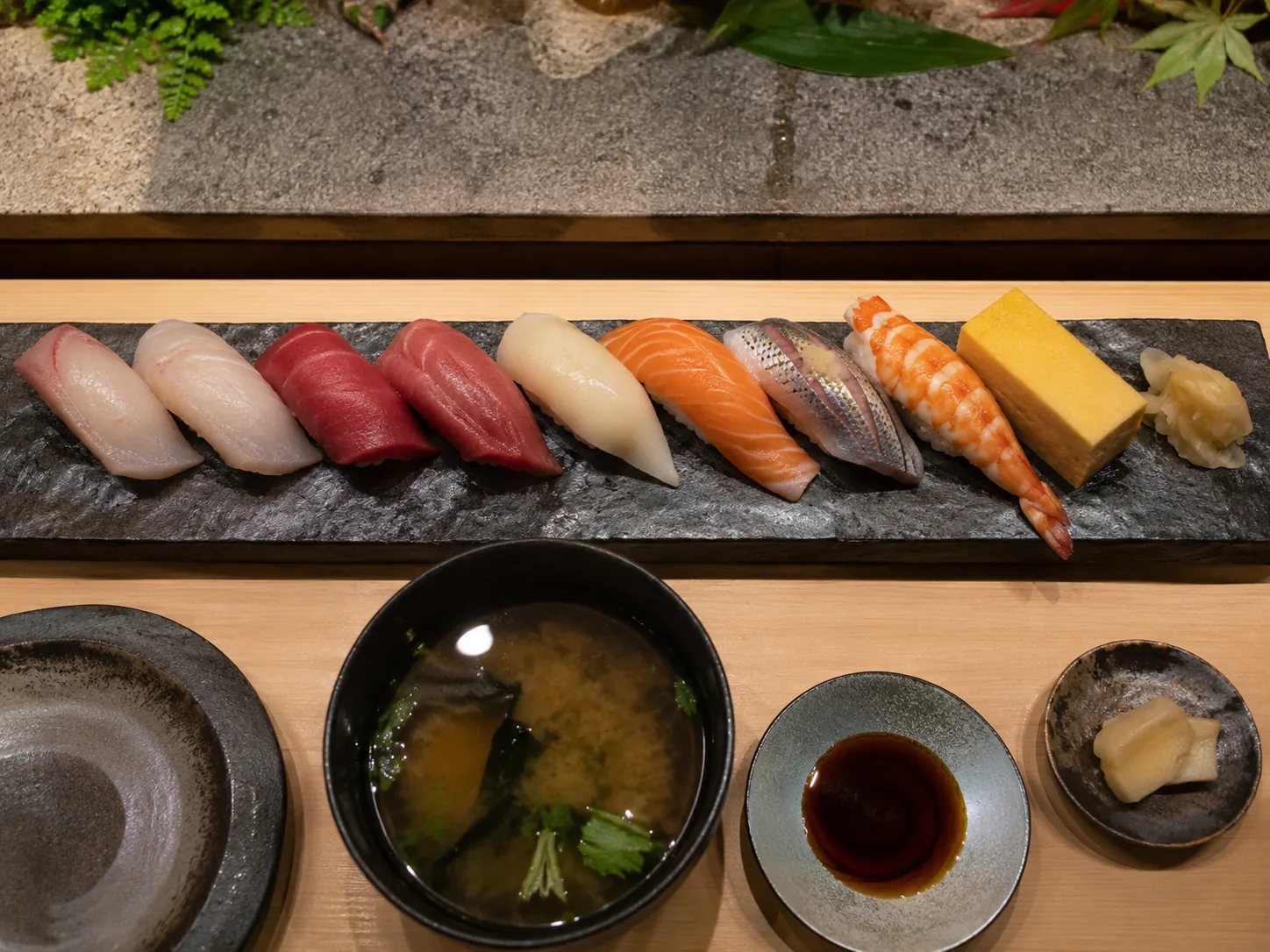
Why there is no tipping in Japan
Wages in Japan include service. Staff are paid to be courteous; politeness is not a favor you tip for. Tipping is also historically tied to things the Japanese service industry thinks of as insults: the idea that you need money to motivate someone to do their job well.
If you leave cash on the counter at the end of a meal, staff will assume you forgot it and run after you to return it. I’ve seen it happen. If you leave it inside the bill folder and walk out, the restaurant will keep it as a donation, which feels strange to both sides.
The real way to say thank you in Japan is a sentence.
After you eat, say "gochisōsama deshita" (literally: "thank you for the meal"). It’s the standard closing line at every restaurant, every counter. The chef will nod, smile, and remember you as a polite guest. That’s the currency.
The PAA questions answered plainly
“Should I tip 20% at omakase?” No.
“Is 500 yen a good tip?” No. Don’t do it.
“I spent ¥20,000 at omakase, should I tip?” No.
“What if the service was exceptional?” Say "gochisōsama deshita" and mean it. That’s exceptional service paid.
Frequently asked questions
What if I forget not to tip?
If you leave cash on the table, the staff will return it to you. If you feel awkward about that moment, say it was a mistake and take it back. No one is offended.
Do tour guides expect tips?
No. Guides are paid by the tour operator. A verbal thank you (gochisōsama deshita) is the appropriate way to end a tour.
Is there a standard way to pay?
At a counter, you pay when the meal ends. At a formal restaurant or on a hosted tour, the bill comes to you or the operator settles it. You pay the exact amount shown. No tip math.